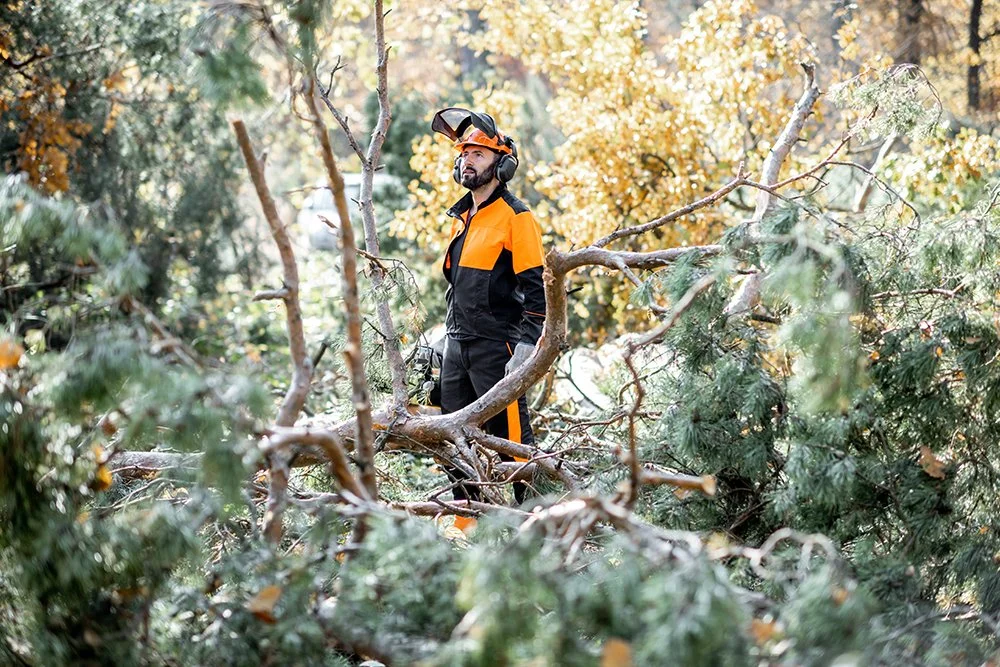
Once you know a tree has to come down, the next questions are when to do it and what happens next. Good timing can make Smithville tree removal safer, faster and easier on your yard, and a little preparation keeps the day running smoothly. Planning for the stump and the empty space afterward turns a removal into a fresh start for your landscape. Here is how to plan each step with an experienced team like Ben Bivins Tree Experts.
The Best Season for Smithville Tree Removal
For trees that are not an immediate danger, late fall through winter is often the best time for removal. During the dormant season:
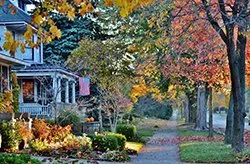
Leaves are gone, so crews can see the branch structure clearly and plan every cut.
The ground is often firmer, especially when it is frozen, so heavy equipment leaves fewer ruts in your lawn.
Gardens and flower beds are dormant, so there is less risk of damaging plants you care about.
Schedules are usually more flexible than during the busy spring and storm seasons.
Spring and summer removals are still very common, and a skilled crew can work in any season. Dormant-season work simply tends to be easier on the rest of your property.
When You Should Not Wait
Some trees cannot wait for the ideal season. Call a professional right away if you notice:
A tree that has started to lean suddenly, or soil that is cracking or lifting at its base
Large cracks or splits in the trunk or in a major limb
Branches hanging over the house, driveway or power lines after a storm
Mushrooms or other fungi growing at the base, which can signal root decay
In these cases the safest time for removal is as soon as possible. Keep people, pets and cars away from the tree until it has been looked at.
How to Prepare Your Yard for Removal Day
A few simple steps help the crew work safely and efficiently:
Clear the area. Move cars, patio furniture, grills, planters and kids' toys away from the tree and the path to it.
Make room for equipment. Let the crew know where trucks and chippers can park, and point out septic tanks, sprinkler heads, underground lines or soft spots in the lawn.
Talk to your neighbors. If branches hang over a property line or trucks will block a shared driveway, a quick heads-up keeps everyone happy.
Keep pets and children inside while work is under way.
Ask about permits. Some towns and HOAs have rules about removing trees, so confirm before the work date.
What to Expect on the Day
Most removals are done in sections rather than by dropping the whole tree at once, especially near homes and fences. A climber or bucket truck takes the tree down piece by piece, lowering larger sections with ropes. Branches go through a chipper, and the trunk is cut into manageable pieces. If you heat with wood, ask whether you can keep some of the logs for firewood once they have seasoned.
Stump Grinding or Stump Removal?
After the tree is gone, you will need to decide what to do with the stump:
Leave it. This costs nothing extra, but stumps can sprout new shoots, attract insects and get in the way of mowing.
Grind it. A grinder chews the stump down several inches below the soil line. This is the most common choice, and the area can be covered with soil and seeded.
Remove it completely. Pulling the stump and main roots is more work, but it may be needed if you plan to build, pour a patio or plant in the same spot.
Ask your tree service which option makes the most sense for your plans before the work begins.
Replanting After Smithville Tree Removal
Removing a tree is also a chance to choose the right tree for the right spot. South Jersey's sandy soil suits many native trees that are well adapted to local conditions, such as red maple, white oak, American holly, eastern redbud and sweetbay magnolia. When replanting:
Plant a few feet away from the old stump, where roots and wood chips won't get in the way.
Think about the tree's full-grown height and spread, and keep it clear of the house and power lines.
Water new trees regularly during their first couple of growing seasons.
Plan Your Removal With Ben Bivins Tree Experts
Knowing the reasons for Smithville tree removal is only the first step. Choosing the right time, preparing your yard and planning for what comes next makes the whole process easier and leaves your property looking its best. Whether you have a tree that needs to come down this winter or a storm-damaged tree that can't wait, contact Ben Bivins Tree Experts for safe, professional Smithville tree removal.